
Uttarakhand Spring Birding Trip Report – Pangot & Sattal
Dates: April 2024
Duration: 5 Nights (2 Nights Sattal | 3 Nights Pangot & Sigri)
Locations Covered: Sattal, Chanfi River, Pangot & Sigri, Uttarakhand
Introduction
April marks one of the most exciting periods for birding in the Kumaon Himalayas. As spring takes hold across the mountains, many Himalayan birds that spent the winter at lower elevations begin making their way back towards their breeding grounds higher in the Himalayas. At the same time, the first summer migrants return from the Indian plains and further south, filling the forests with fresh activity and birdsong.
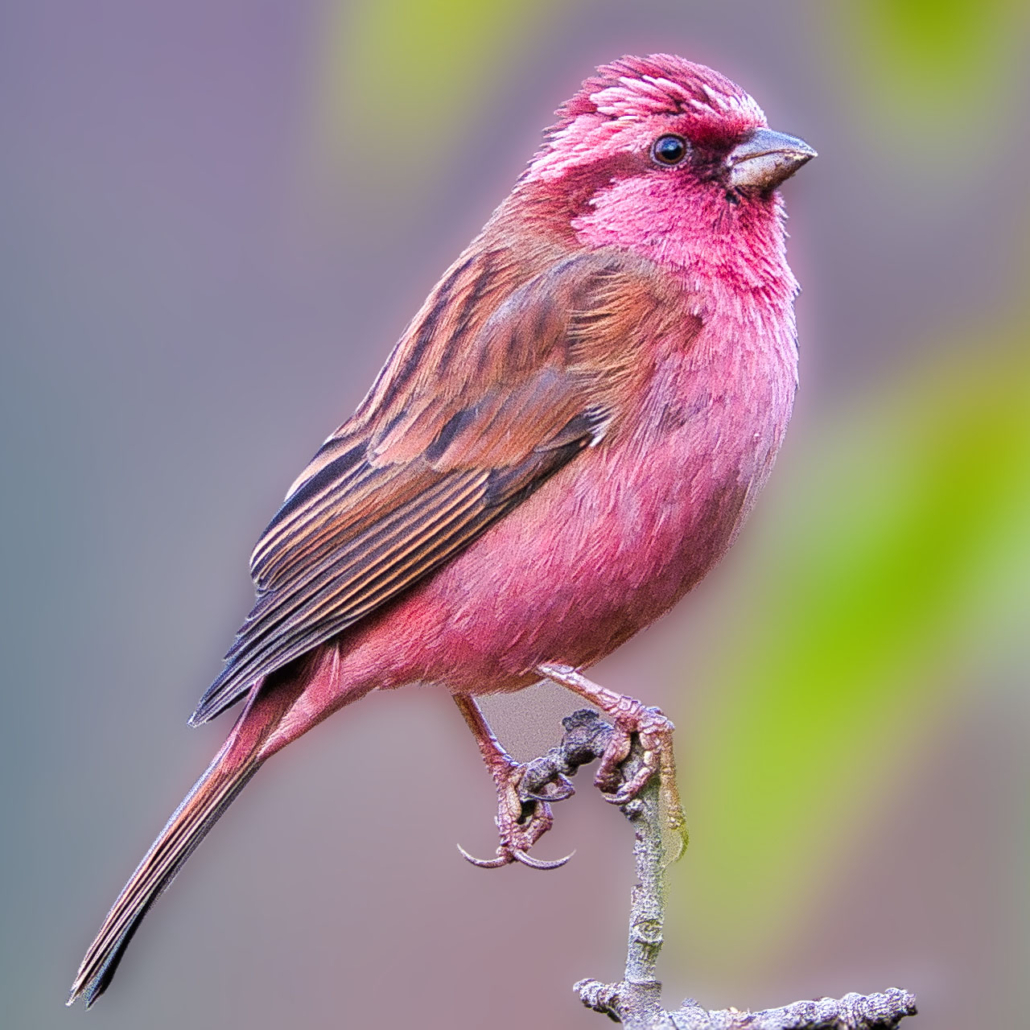
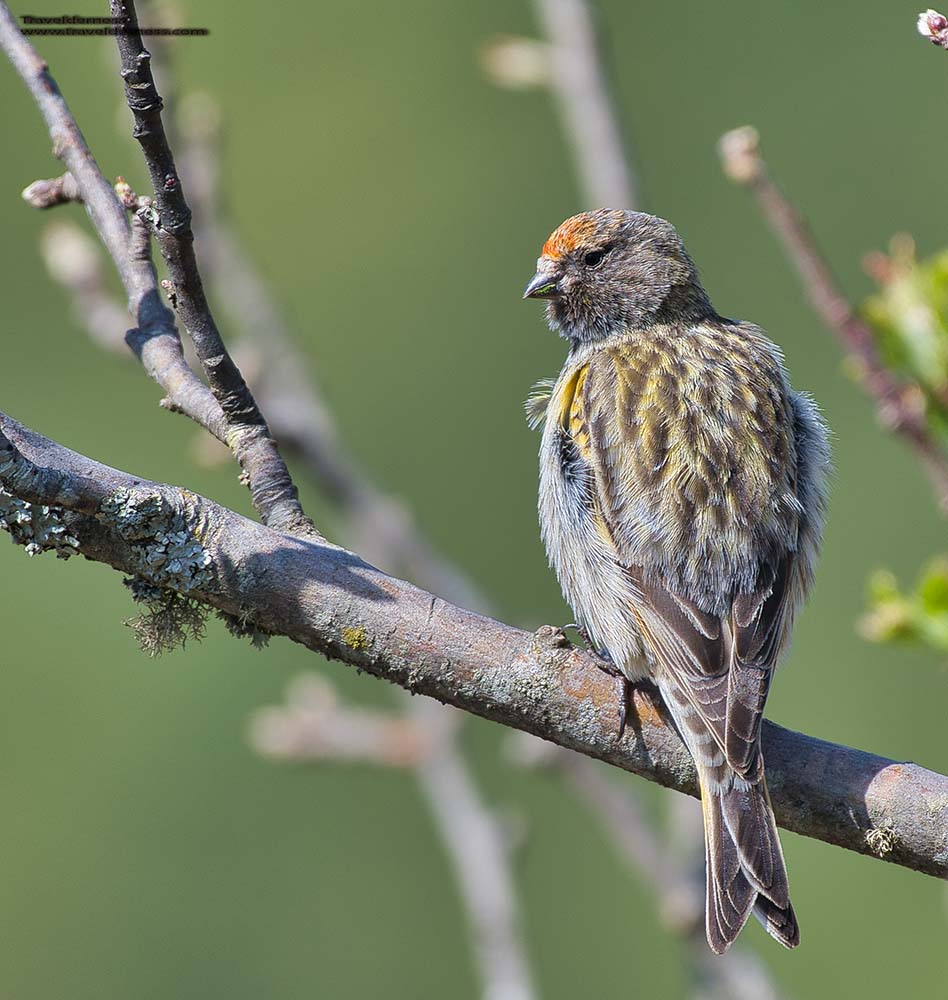
What makes April particularly rewarding is this brief overlap between the two seasons. While breeding birds become increasingly vocal and active, several winter visitors can still be found in suitable habitats. During our tour, species such as Fire-fronted Serin, Pink-browed Rosefinch, Rufous-breasted Accentor and Rock Bunting were still present, adding another dimension to an already impressive species list.
Our five-night spring birding expedition with Alok Mishra explored three of Kumaon’s premier birding destinations—Sattal, Pangot and Sigri. Beginning with two nights around the forests of Sattal before moving to the higher oak forests of Pangot and Sigri for three nights, the itinerary combined productive bird hides, riverside birding, forest walks and spectacular Himalayan scenery with some of the western Himalayas’ most sought-after bird species.
Days 1 & 2 – Sattal Bird Hide & Chanfi River
We began the tour around Sattal, where our first morning was spent at one of the area’s well-known bird hides.
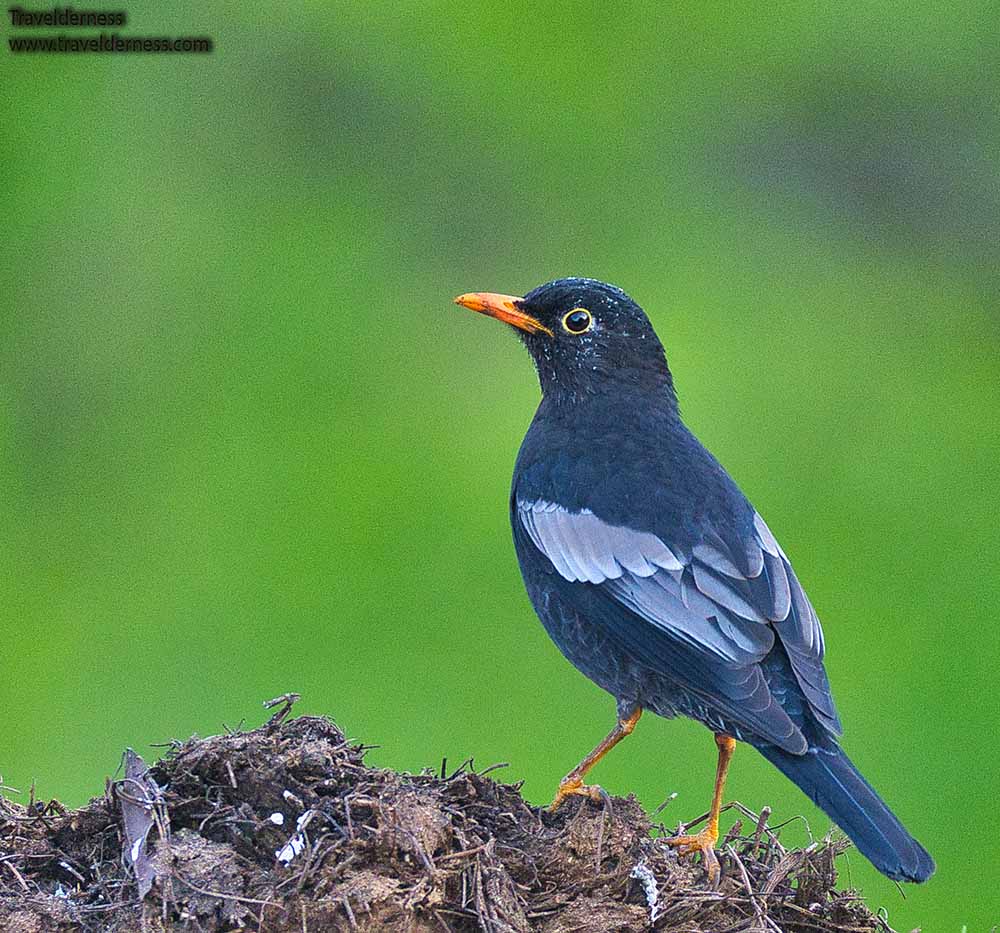
The hide remained consistently active throughout the morning, providing wonderful opportunities to observe and photograph many of the region’s regular visitors. Species such as Red-billed Leiothrix, Blue-winged Minla, Greater Yellownape, Lesser Yellownape, Grey-winged Blackbird, Grey-headed Woodpecker, Kalij Pheasant and Black Francolin all performed beautifully.
One of the highlights came when a Rufous-throated Partridge quietly emerged from the surrounding forest and walked confidently around the feeding area before disappearing back into cover. A small flock of Plum-headed Parakeets added brilliant colour overhead, while numerous other common Himalayan forest birds kept the group occupied throughout the morning.
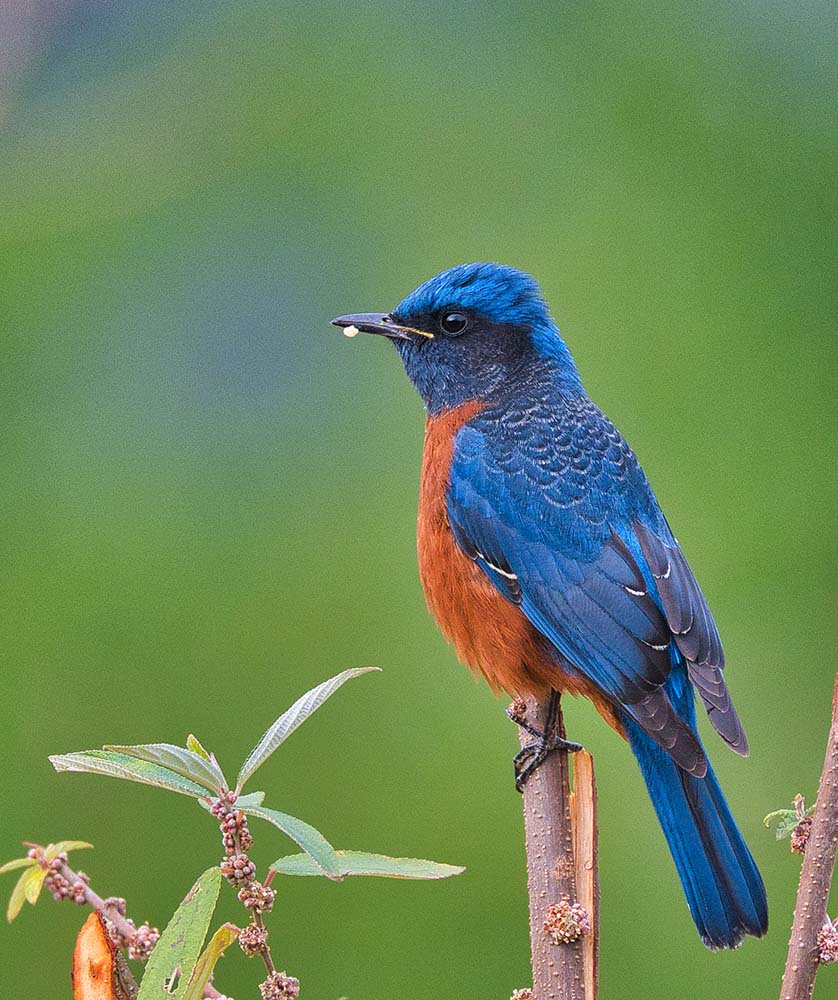
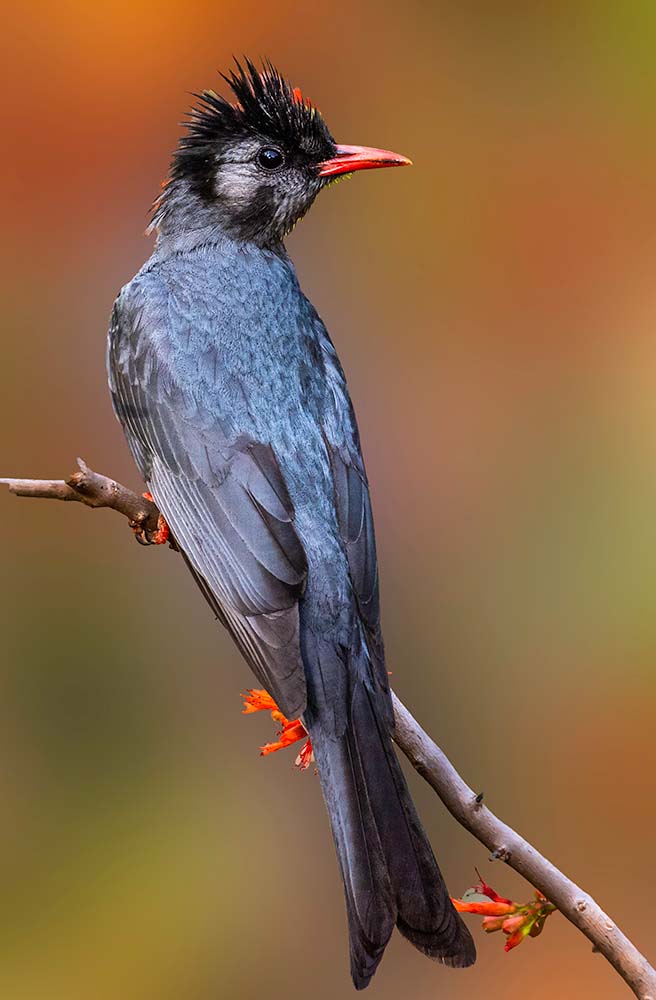
Our second morning began with some relaxed roadside birding around Sattal. Among the more notable sightings were Black Bulbul, Indian White-eye, Chestnut-bellied Rock Thrush and Tickell’s Thrush, all showing well before we continued towards the beautiful Chanfi River.
The riverside habitat produced a completely different suite of birds. A magnificent Crested Kingfisher was the obvious highlight, accompanied by Common Kingfisher, a juvenile Brown Dipper, Spotted Forktail and Stonechat, all giving excellent views along the rocky stream.
Leaving the lower elevations behind, we gradually climbed towards Pangot, enjoying magnificent views of the snow-covered Himalayan peaks as the road wound its way through the forests.
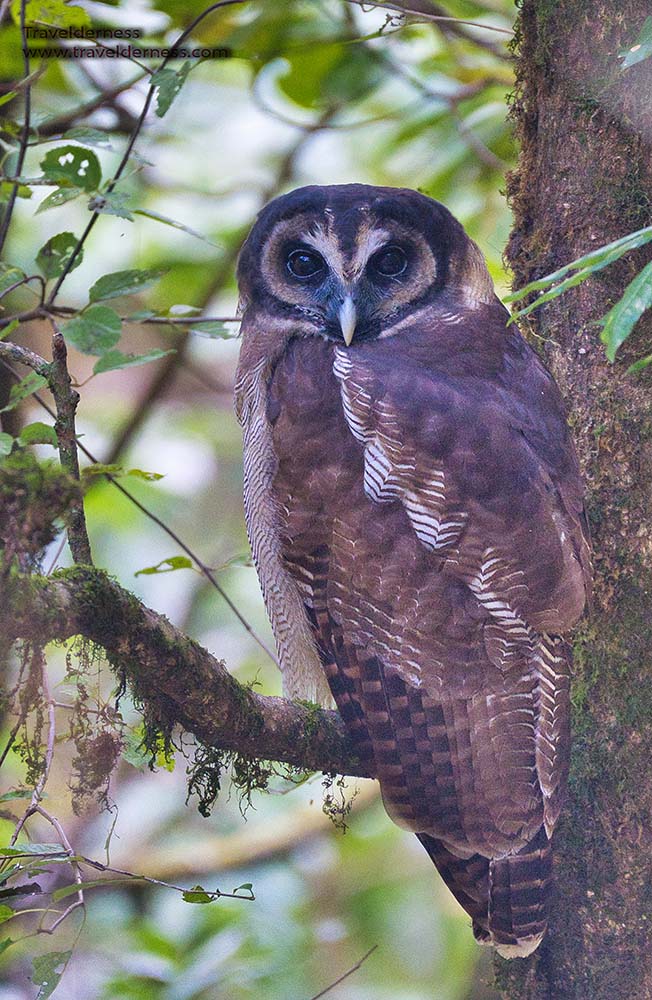
Before reaching our accommodation, we made a stop at one of the area’s well-known roosting sites, where the resident Brown Wood Owl was perched just a few metres from the roadside. Remaining remarkably relaxed in its daytime roost, the owl allowed the entire group prolonged views and some excellent photographic opportunities before we continued towards Pangot.
Days 3–5 – Pangot & Sigri
The next three nights were spent exploring the forests around Pangot and Sigri, arguably one of the finest spring birding regions in the western Himalayas. The combination of mature oak forests, spectacular Himalayan views and an exceptional diversity of birds makes this one of our favourite destinations, and one we look forward to visiting every spring.
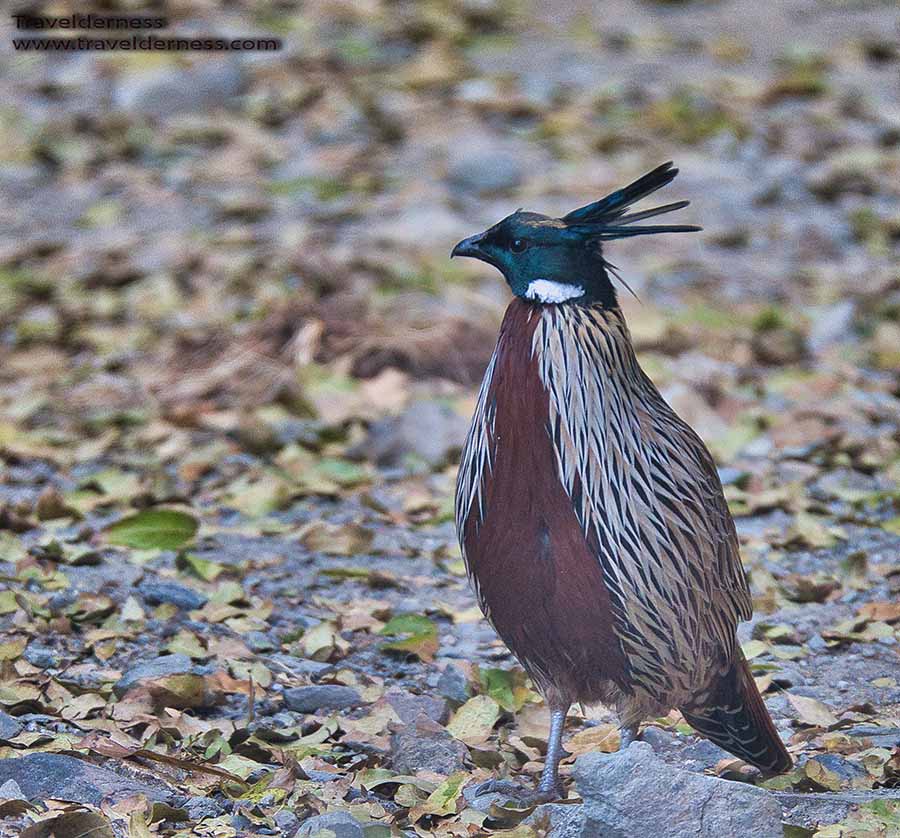
One of the defining moments of the tour came when a magnificent male Koklass Pheasant calmly walked onto the forest road directly in front of us.
Rather than disappearing immediately into the forest, the bird remained completely relaxed, allowing everyone to enjoy an unforgettable photography session. For several minutes it slowly walked along the road, giving us some of the finest views and photographs of this spectacular Himalayan pheasant that we have experienced in recent years.
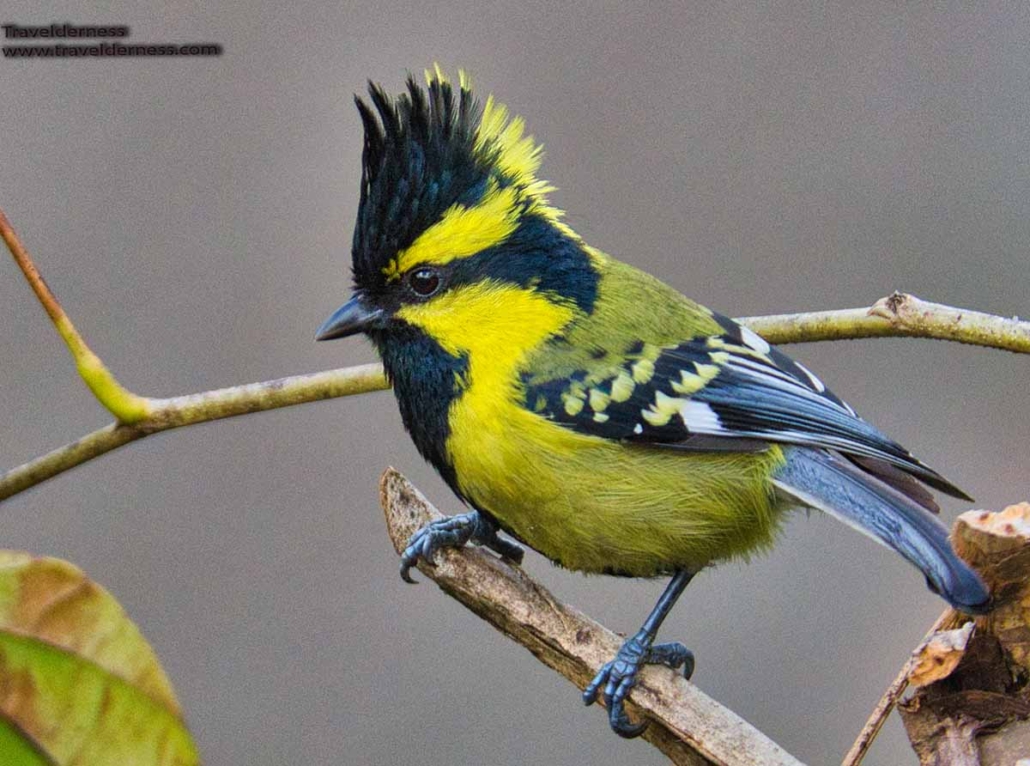
As we continued birding through the oak forests, active mixed feeding flocks became the highlight of almost every walk. Among the many species encountered were Ultramarine Flycatcher, White-browed Shrike-babbler, Lemon-rumped Warbler, Grey-headed Warbler, Tickell’s Leaf Warbler, Buff-barred Warbler and White-tailed Nuthatch, together with numerous other Himalayan forest specialists.
One of the unexpected pleasures of staying in Sigri was that birding started before breakfast each morning.
Looking out from the windows of our accommodation, we were greeted daily by Fire-fronted Serins, which remained regular visitors throughout our three-night stay and became one of the most memorable species of the trip.
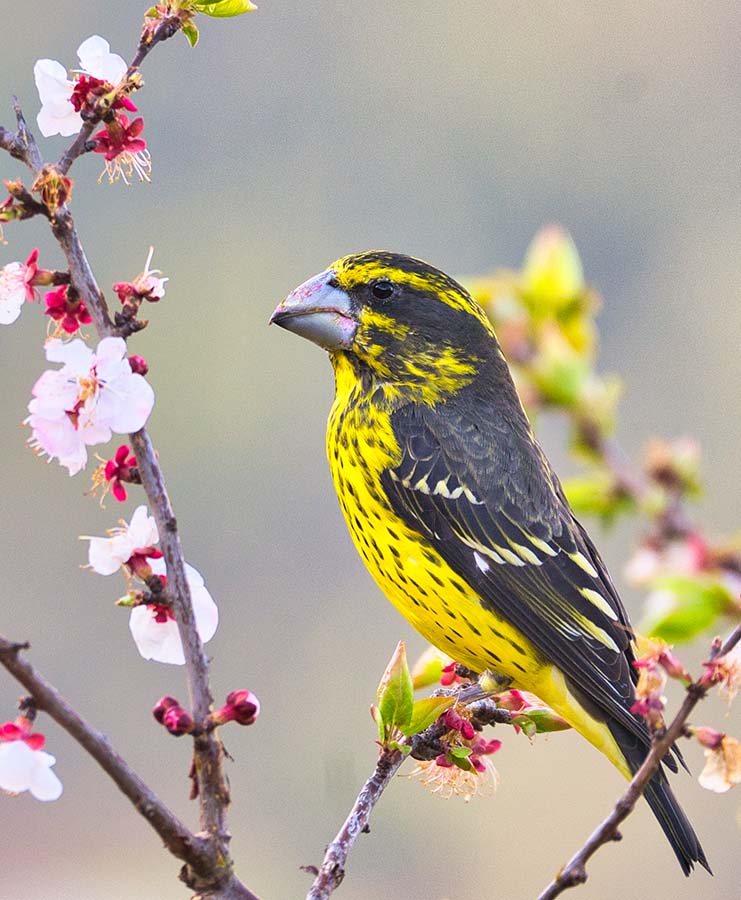
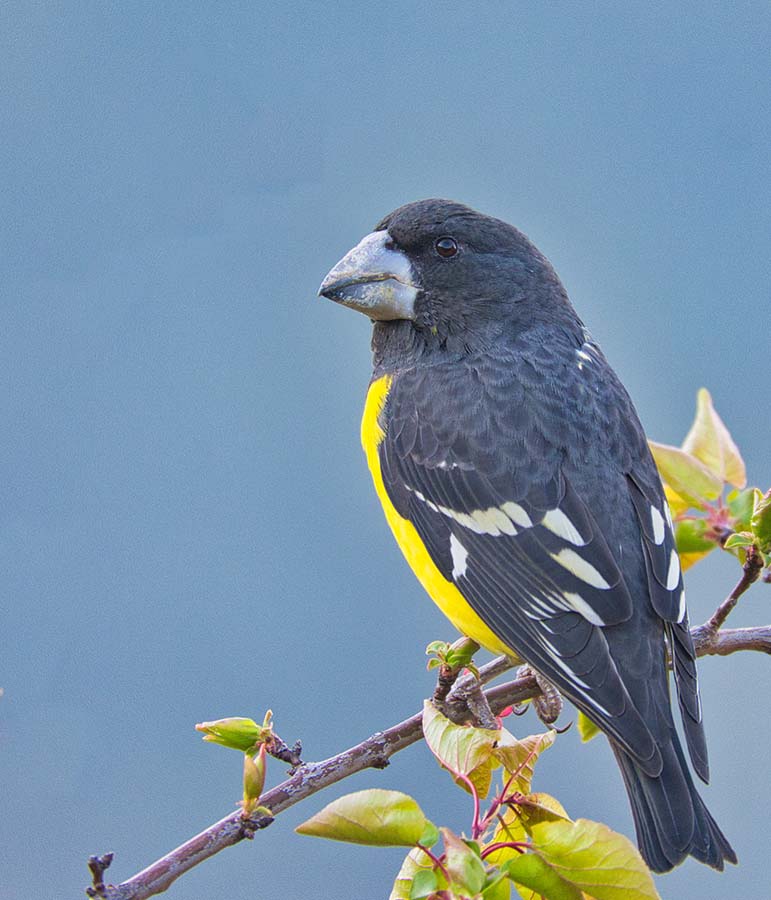
The forests continued to produce quality birds throughout our stay. Pink-browed Rosefinch showed beautifully, Spot-winged Grosbeak gave prolonged views, Himalayan Prinia remained active around the forest edges, while a nesting pair of Common Kestrels kept watch over the surrounding valley.
During one of our roadside walks, a stunning male Rufous-bellied Niltava posed at close range, becoming another photographic highlight of the tour.
Around our accommodation, an active Himalayan Woodpecker repeatedly put on an excellent show in the surrounding trees, while Rufous-breasted Accentor and Rock Bunting reminded us that several winter visitors were still lingering despite spring being well underway.
Together with the constant activity of numerous Himalayan forest birds, every walk through Pangot and Sigri produced something new, making the final three days of the tour both productive and thoroughly enjoyable.
Tour Summary
Our five days across Sattal, Pangot and Sigri once again demonstrated why Uttarakhand remains one of India’s finest birding destinations.
From productive bird hides and crystal-clear mountain rivers to magnificent oak forests overlooking the snow-covered Himalayas, each habitat contributed its own unique collection of birds.
April proved to be an exceptional time to visit, with the overlap between departing winter visitors and newly arrived summer migrants creating one of the most diverse periods of the year for birding in the western Himalayas.
Whether photographing a confiding Koklass Pheasant, watching a Brown Wood Owl perched beside the roadside, enjoying mixed feeding flocks through ancient oak forests, or waking each morning to Fire-fronted Serins outside our rooms, every day offered memorable encounters.
For birdwatchers and bird photographers alike, the Pangot–Sigri–Sattal circuit continues to rank among the very best spring birding destinations in India, and we look forward to returning every season.
Plan Your Uttarakhand Birding Tour
Travelderness specialises in carefully designed birding and bird photography expeditions across the Indian Himalayas. Our Uttarakhand itineraries cover the region’s finest birding destinations, including Sattal, Pangot, Sigri, Chopta, Mandal, Munsiyari and several other Himalayan birding hotspots, with each tour planned around the season and the target species our guests wish to see.
Whether your goal is photographing Himalayan specialities, building an extensive life list or simply experiencing one of India’s finest birding destinations, our small-group and private tours are designed to maximise both bird diversity and field experience.
For customised itineraries, upcoming departures, or the complete bird list recorded during this tour, feel free to get in touch with us.
Travelderness – Birding & Wildlife Expeditions
📱 WhatsApp: +919997894884 , +66 96 209 6600


Leave a Reply
Want to join the discussion?Feel free to contribute!